A 2.5 minute reading of “The Night Before Christmas”
Door Covers For Easy Fun Budget Christmas Decorating
This article may contain affiliate links.
Decorating For Christmas
Not everyone wants to think about a Christmas theme or to carry out all the work involved in sourcing and decorating to suit the chosen theme. There are some really lovely and unusual themes that can be chosen, instead of the traditional red and green that can be supplied by a Christmas tree or wreath and some red baubles or holly berries. These can require a lot of work and a reasonable budget that not everyone can afford. Christmas can still be fun and decorative without a large budget.
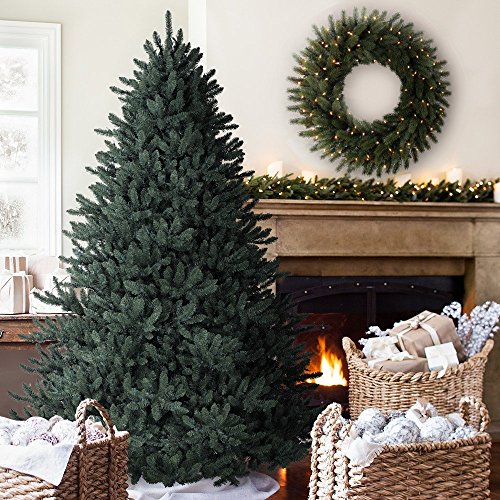
Tree and wreath with mistletoe for a traditional Christmas
Christmas Tree
For some people, a cheerful Christmas tree, decorated with hand made items, some fairy lights and perhaps sparkly tinsel is as much as they can think of with everything else to do at Christmas, especially if children are involved. And if a budget is a big consideration, then perhaps any spare money should be spent on quality toys for children or good food, rather than decorations which may be discarded once Christmas is done or which may not survive any mauling they may receive.
Christmas Themes
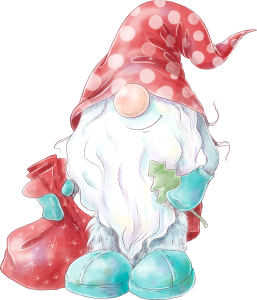
Fun Christmas theme using gnomes
For others, decorating for Christmas requires careful thought ahead of time, with a different theme or color scheme each year being a total necessity. Your theme may depend on whether you will be hosting adult or perhaps business company for Christmas or whether you are a harrassed parent with a number of small children and plenty of company to keep you busy. Themes do not all have to be high cost or bought in, they can be home made, with children creating snowmen or snowwomen and families or gnomes, for instance from recyclable materials that might otherwise be junked, including toilet paper inner rolls, dishwashing liquid bottles, cereal packets, paints, pencils or crayons and a lot of imagination and possibly cotton wool.
Door Covers
Points To Be Careful Of
Plastic Christmas door cover or poster
If you are choosing a door cover or door covers for your house, make sure you know, as far as you can, what you are getting.
Height
Door covers can be different heights, ranging from 5 feet to 7 feet. A 5 foot cover is unlikely to cover your whole door but can look very effective centered vertically on the door, especially if it has a glass panel to shine light through. You can also add decorations top and bottom, depending on your creativity and the material to hand, For instance green paper at the bottom for grass or white for snow, perhaps wood effect paper at the top to suggest a shed. A 7 foot door cover may well cover your whole door or most of it.
Width
Check the width of your chosen cover against your door width. You may prefer a narrow cover or want one that goes right to the edges. Remember you will need a way to open the door and may need to cut a slit for a handle.
Attaching The Cover
Many of the door covers come with a rope that attaches to corner holes but this may not be suitable for your door. You may need to tape or tack the cover to your door. Be sure you are happy with the options you choose before perhaps realising that you could cause damage to a new door.
Quality
As with anything, you need to be sure of the quality of the item you are getting compared with the price you are paying. You will not get a silk purse at sow’s ear prices but you will at least want something that is likely to last out the Christmas season without ripping, even if it does not survive for re-use next year.
Glass Blowing
Glass blowing is a glassmaking technique which involves gently inflating hot glass to a bubble with the help of a blow pipe. A person who blows glass using the blow pipe is known as a glass blower, glass maker, or gaffer. Discovered in the 13th century in Venice, Italy, glassblowing has come a long way since then and today it’s one of the most popular forms of art the world over.
Glass blowing is all about creating both decorative and functional shapes like figurines, ornaments, testing tubes, dishes, and more. The invention of glass blowing can be traced back to the Roman Empire, but back then this craft was being done exclusively by using molds. Molds developed in the first century AD.
Blowing glass with a (special type of) furnace, also known as kiln, is similar to furnace baking, the difference being that kilns can heat the glass at one end of the furnace to a specific temperature before blowing the material out the other end of the furnace.
It is important to realize that glass blowing and mold-blowing techniques are not the same. Mold-blowing involves blowing molds of various shapes, sizes, and depths into the mold, while glass blowing usually only involves blowing clear glass or semi-opaque glass. Mold-blowing techniques are often used by artisans who design stained glass windows.
An important distinction between the two techniques is that glass blowing utilizes a blow pipe, while mold blowing uses a mold pipe. The difference between the two types of glassblowers is that glassblowers do not need to quench their work with oxygen. Once molten glass has been allowed to cool, most glassblowers can finish the job by merely blowing on it. A mold blower on the other hand needs to quench his glassblowing work with oxygen in order to ensure that the final product is clean, smooth, and free of bubbles and lines.
The earliest glassworkers practiced their trade by creating small glass items such as test tubes and figurines. Although glassblowing was considered unusual, the artisans found that their skills could be developed and enhanced when they started making larger glass items such as bowls and vases. Glass bowls and vases are perhaps the earliest example of modern glassmaking, and the first glass-making furnaces appeared in the 1st century AD.
The Roman Empire, which ruled over much of the Middle East and much of Asia for over a thousand years, is well known for the things it left behind. Among these items are many magnificent glass objects, including Roman glass decorative furniture, mosaic tiles, and even some authentic glass jewelry. Most of these objects have survived to this day, and new glassworkers continue to produce new items, ranging from gorgeous glass figurines to intricately designed glasswork. The next time you have the opportunity to partake in the history of blowing glass, you should make the most of it.
Alyosha Lonoff loves making glass art. To learn more about glass blowing check out her site today.